
Former Prosecutor
Now Fighting For You
Now Fighting For You











A drug charge can mean far more than a court date. It can put your job, your housing, your immigration status, your professional license, and your future all at risk. Whether you’re facing a simple possession charge in District Court or a trafficking indictment in Superior Court, the stakes are serious, and how your case is handled early on often determines the outcome.
Massachusetts Drug Crimes Defense Attorney Kevin R. Collins has nearly 20 years of criminal law experience and has represented hundreds of clients facing drug charges throughout the Commonwealth. As a former Assistant District Attorney with the Middlesex District Attorney’s Office, Attorney Collins worked closely with State Crime Lab analysts and knows the forensic testing methods, and the flaws within them, that prosecutors rely on to build drug cases. That insider knowledge is now used entirely on your behalf.
Attorney Collins represents clients facing the full range of drug charges under the Massachusetts Controlled Substance Act, including:
The ramifications of a drug conviction don’t end when the case is closed. A conviction can affect:
These collateral consequences are a major reason to fight a drug charge aggressively from day one, rather than assuming a plea is the easiest path forward.
Where your case is heard depends largely on the type and quantity of drugs involved:
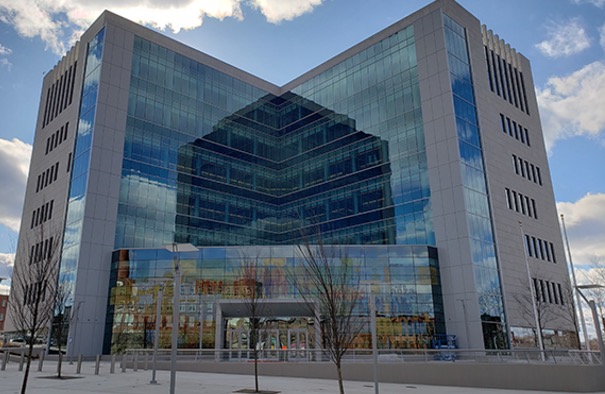
District Court cases typically involve smaller quantities and defendants with no significant prior drug history. These cases move faster, but a conviction can still result in a permanent criminal record, license suspension, and jail time in a house of correction.
Superior Court cases typically trafficking or distribution charges take longer to resolve, carry more severe potential sentences including mandatory minimums, and are more legally and forensically complex. These cases demand an attorney who understands both the science behind drug testing and the procedural rules that govern Superior Court litigation.
Regardless of which court your case is in, Massachusetts Drug Defense Attorney Kevin R. Collins has the trial experience and courtroom relationships to advocate aggressively on your behalf.
Drug cases are often won or lost on details most people never think to question. Attorney Collins evaluates every case for:

Not every drug case has to end with a criminal record. Depending on the circumstances, Attorney Collins may be able to pursue:

Massachusetts Drug Crimes Defense Attorney Kevin R. Collins has nearly 20 years of criminal law experience. He has represented hundreds and hundreds of clients, has earned a sterling reputation among the legal community, and is happy to consult with you regarding whether his representation makes sense for your drug case. Contact Attorney Kevin R. Collins for a complimentary consultation today.

Fill out the form or call us at (781) 430-8525 to schedule your free consultation.